Expanding Your Home with a Closer Look at Professional Additions
January 20, 2026
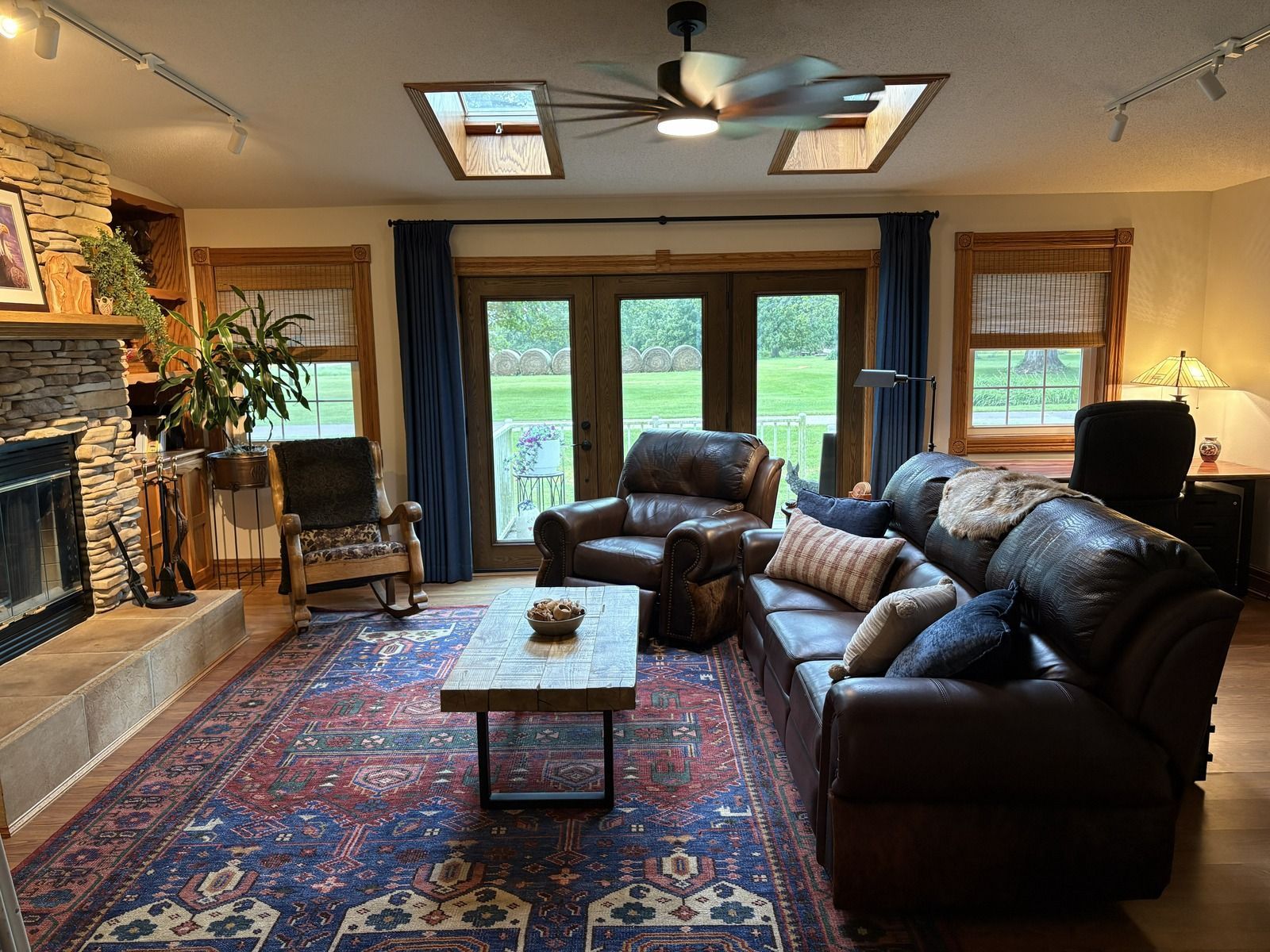
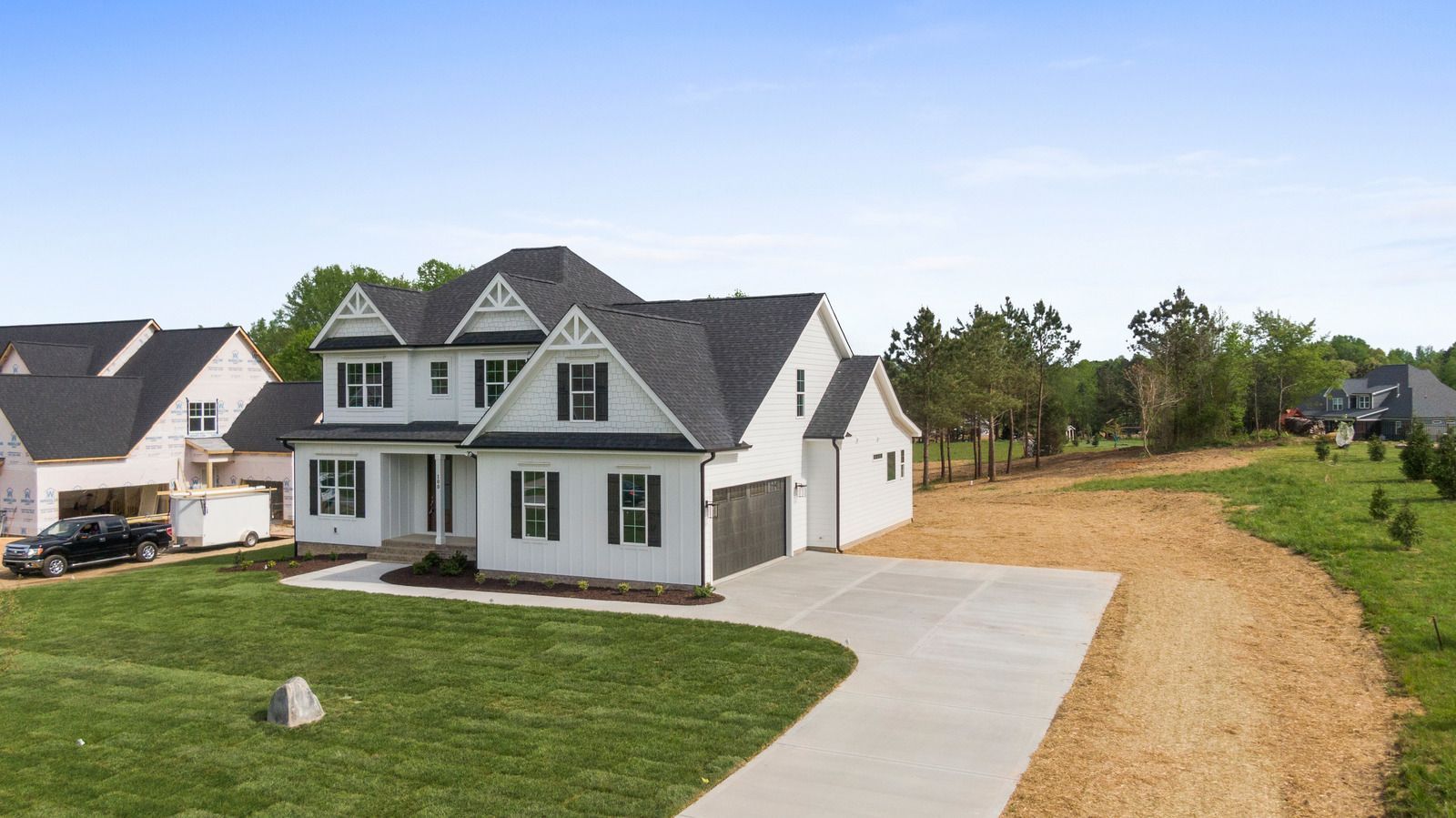
Homeownership often brings the desire for more space, functionality, and comfort. As families grow or lifestyle needs change, the idea of expanding your living area becomes increasingly appealing. One of the most effective ways to achieve this transformation is through professional home additions. Unlike temporary solutions or makeshift expansions, professionally designed and executed additions offer a permanent, valuable improvement to your property. They not only enhance the usable space but also elevate the overall aesthetic and functionality of your home, creating an environment tailored to your lifestyle.
Professional home additions have become a cornerstone in residential development, offering homeowners the ability to customize spaces such as extra bedrooms, home offices, sunrooms, or entertainment areas. Beyond the immediate practical benefits, these expansions can significantly boost property value and appeal. However, achieving a successful home addition requires careful planning, expert design, and meticulous construction. Understanding the nuances of professional additions, from budgeting and design considerations to execution and long-term benefits, is essential for homeowners looking to make informed decisions that enhance both their living experience and investment.
1. Assessing Your Needs and Planning Your Addition
Identifying Purpose and Space Requirements
Before committing to a home addition, it’s crucial to define the purpose of the new space. Are you adding a bedroom for a growing family, a home office for remote work, or a sunroom to enjoy natural light? Clearly identifying the intended use helps guide design decisions, size, and placement within your property. Conducting a needs assessment also ensures that the addition integrates seamlessly with existing living areas, maintaining functional flow and aesthetic consistency.
Evaluating Property Layout and Zoning Regulations
Understanding your property’s layout and local zoning regulations is a critical step in planning. Professional contractors typically conduct a thorough site assessment to determine the most suitable location for the addition. They evaluate factors such as setbacks, lot size, structural limitations, and neighborhood guidelines. Compliance with local building codes not only ensures legal approval but also safeguards the long-term durability and safety of the project.
Budgeting and Financial Planning
Accurate budgeting is vital to a successful addition. Costs can vary widely depending on size, materials, design complexity, and labor. Engaging with professionals early allows homeowners to receive realistic estimates and identify potential cost-saving strategies without compromising quality. Proper financial planning also considers additional expenses, including permits, landscaping adjustments, and utility upgrades, which can significantly impact the overall project budget.
2. Design Considerations for Professional Home Additions
Seamless Integration with Existing Architecture
A professionally designed addition should complement the existing architecture of your home. Whether your property features traditional, contemporary, or modern design elements, the addition should feel like a natural extension rather than a separate structure. Skilled designers consider rooflines, materials, and color palettes to ensure visual continuity and maintain aesthetic harmony.
Maximizing Natural Light and Ventilation
Integrating natural light and ventilation into your home addition enhances both comfort and energy efficiency. Strategically placed windows, skylights, and doors can brighten interiors, reduce reliance on artificial lighting, and improve air circulation. These elements are not just design enhancements—they contribute to healthier living spaces and can lower long-term energy costs.
Accessibility and Functional Layout
An effective addition balances form with function. Professionals prioritize layouts that facilitate ease of movement, accessibility, and practical use. For instance, a new bedroom addition may require convenient access to bathrooms and storage, while a home office needs quiet zones and appropriate lighting. Functional design ensures that the new space serves its intended purpose efficiently and enhances overall household workflow.
3. Construction Techniques and Materials
Selecting Durable and Sustainable Materials
The choice of construction materials has a lasting impact on the quality and longevity of your addition. High-quality materials, such as engineered wood, energy-efficient windows, and premium insulation, contribute to durability, thermal efficiency, and aesthetic appeal. Sustainable options, like recycled or locally sourced materials, also align with environmentally conscious practices, providing homeowners with both practical and ethical advantages.
Advanced Construction Methods
Modern home additions often incorporate advanced construction techniques to ensure safety, efficiency, and structural integrity. Professionals may employ methods such as modular construction, reinforced framing, or steel supports for load-bearing areas. These approaches not only speed up construction timelines but also enhance resilience against environmental stressors, such as earthquakes, high winds, or moisture-related damage.
Managing Disruptions During Construction
Home additions can be disruptive to daily life. Experienced contractors implement strategies to minimize inconvenience, including phased construction schedules, dust and debris control, and clear communication about timelines. Homeowners benefit from a smoother experience and reduced stress when the project is managed professionally, allowing them to continue using unaffected areas of the home during construction.
4. Benefits of Professional Home Additions
Increased Living Space and Comfort
The most immediate benefit of a home addition is the creation of additional living space. Whether accommodating a growing family or adding specialized areas like home gyms or media rooms, professional additions expand usable square footage and enhance daily comfort. Properly executed projects maximize both space efficiency and practical functionality.
Enhanced Property Value
Investing in a professionally designed addition can significantly increase a home’s market value. Buyers are often willing to pay a premium for homes with additional functional spaces, particularly when the design and construction reflect high standards. Strategic additions, such as extra bedrooms, bathrooms, or flexible living areas, deliver a strong return on investment.
Customization and Lifestyle Enhancement
Professional additions allow homeowners to tailor spaces to specific needs and preferences. Customized designs can include high-end finishes, smart home integration, or energy-efficient systems that improve convenience and quality of life. Unlike prefabricated or DIY solutions, professional projects provide a bespoke approach aligned with personal lifestyle goals.
Long-Term Durability and Maintenance
Well-planned additions constructed with high-quality materials and craftsmanship reduce long-term maintenance requirements. Professionals ensure structural integrity, proper insulation, and code compliance, minimizing issues like leaks, cracks, or energy inefficiencies. Homeowners enjoy lasting benefits with reduced repair costs over time.
5. Common Challenges and How to Overcome Them
Permitting and Regulatory Hurdles
Navigating local building codes and permit requirements can be challenging. Professionals manage these complexities by ensuring applications meet all standards, preventing delays or legal complications. Early engagement with contractors reduces the likelihood of costly revisions and streamlines project approvals.
Structural and Site Limitations
Existing homes may present structural or site-specific challenges, such as foundation limitations, uneven terrain, or proximity to utilities. Experienced contractors assess these factors before construction, designing solutions that reinforce safety and stability while minimizing disruption to existing structures.
Budget Overruns and Cost Management
Unexpected expenses can arise during any construction project. Professionals mitigate budget overruns through detailed planning, transparent cost estimates, and proactive communication with homeowners. Contingency planning and phased implementation also help manage costs without compromising quality.
Weather and Environmental Factors
Weather conditions can impact construction timelines and material performance. Contractors account for seasonal variations, moisture levels, and local climate factors, scheduling work to minimize delays and ensuring protective measures maintain material integrity.
6. Best Practices for a Successful Home Addition
Engage Qualified Professionals Early
Consulting architects, designers, and contractors at the outset ensures that project plans are realistic, compliant, and aligned with homeowner expectations. Early involvement facilitates creative input, precise budgeting, and identification of potential challenges.
Prioritize Design Flexibility
Incorporating adaptable layouts allows homeowners to adjust the use of the new space over time. For example, an office can later become a guest bedroom, or a sunroom may transition into a casual living area. Flexible design maximizes the long-term utility of the addition.
Focus on Energy Efficiency
Energy-efficient systems, insulation, and window placement contribute to sustainable living while reducing operational costs. Professionals integrate passive design principles and energy-saving technologies to enhance comfort and lower energy bills over the life of the addition.
Maintain Open Communication
Effective communication between homeowners and contractors is essential for a smooth construction process. Regular updates, transparent discussions about progress, and clear expectations help prevent misunderstandings and ensure timely completion.
Incorporate Future Expansion Possibilities
Planning for potential future expansions ensures that current additions do not restrict subsequent improvements. Contractors can design structural frameworks that accommodate vertical or horizontal growth, providing flexibility for evolving family or lifestyle needs.
Unlocking Value Through Thoughtful Home Expansion Planning
Professional home additions offer a transformative opportunity to expand living spaces, enhance functionality, and increase property value. By carefully planning needs, adhering to design principles, selecting durable materials, and engaging experienced professionals, homeowners can create additions that seamlessly integrate with existing structures while meeting evolving lifestyle requirements. From practical benefits like added bedrooms and home offices to strategic enhancements such as energy efficiency and smart home integration, the advantages of professional additions are far-reaching. Challenges such as regulatory compliance, structural limitations, and budget management can be successfully navigated with expert guidance, ensuring a smooth and rewarding construction process.
For homeowners in Stayton, Oregon, seeking trusted expertise in home expansions, Capitol Craftsmen
stands as a reliable partner with 24
years of experience in professional additions. Our team prioritizes quality craftsmanship, personalized design solutions, and transparent communication, ensuring every project aligns with client goals. With decades of experience, Capitol Craftsmen
transforms visions into functional, durable, and aesthetically pleasing living spaces that enhance comfort, value, and lifestyle. Whether adding bedrooms, offices, or custom living areas, our commitment to excellence guarantees that each addition meets the highest standards of performance and design, providing homeowners with confidence, convenience, and lasting satisfaction.