The Art of Detail and Why Professional Trim Work Matters in Home Design
February 19, 2026

In the realm of home design, the smallest details often carry the greatest impact. While floor plans, color palettes, and furniture selections naturally draw attention, the subtle touches of trim work—crown molding, baseboards, window casings, and door frames—can elevate a space from ordinary to exceptional. Professional trim work is not merely decorative; it functions as a vital component of architectural cohesion, framing the interior environment with precision and style. When executed thoughtfully, trim can define the character of a room, enhance visual flow, and provide a polished, finished look that signals quality and attention to detail. These carefully crafted elements also create a sense of rhythm and proportion within a space, guiding the eye and reinforcing the home’s overall aesthetic narrative. In essence, trim work bridges the gap between architecture and design, offering both functional and stylistic benefits that endure over time.
Yet, trim work is often underestimated by homeowners and even some designers. Amateur installations or poorly planned designs can disrupt the harmony of a space, making it appear unfinished or mismatched. Understanding the value of professional trim work is essential for anyone aiming to create interiors that are both beautiful and functional. Beyond visual appeal, trim adds practical advantages, from protecting walls and floors to concealing construction imperfections. This blog delves into the art and science of trim work, exploring why meticulous craftsmanship matters, how it impacts overall design, and best practices for achieving lasting results. By examining real-world examples, practical benefits, and expert insights, homeowners and designers alike can appreciate why trim is far more than a minor detail—it is a cornerstone of refined, enduring home design.
The Role of Trim in Home Design
Defining Trim and Its Purpose
Trim work refers to the finishing materials that frame and accentuate architectural features such as walls, ceilings, windows, doors, and floors. While often overlooked, trim serves both aesthetic and functional purposes. From baseboards that protect walls from scuffs to crown molding that elegantly transitions from wall to ceiling, trim creates a sense of completeness and refinement in interior spaces.
Beyond aesthetics, trim can subtly influence the perception of space. For instance, tall baseboards can make ceilings appear higher, while wide crown molding can add a sense of grandeur to formal rooms. Trim also hides construction imperfections, such as uneven drywall edges, and contributes to insulation and soundproofing in some applications.
Enhancing Architectural Cohesion
Trim work plays a crucial role in unifying diverse elements of a home. A consistent style of molding, casing, and paneling creates harmony between different rooms, while carefully chosen materials and profiles reinforce the intended architectural style. For example, a modern home benefits from sleek, minimalistic trim, whereas a traditional craftsman-style residence is enhanced by detailed, layered moldings. By thoughtfully selecting and installing trim, designers can reinforce the overall theme of a home, ensuring every element contributes to a cohesive visual narrative.
Real-World Example
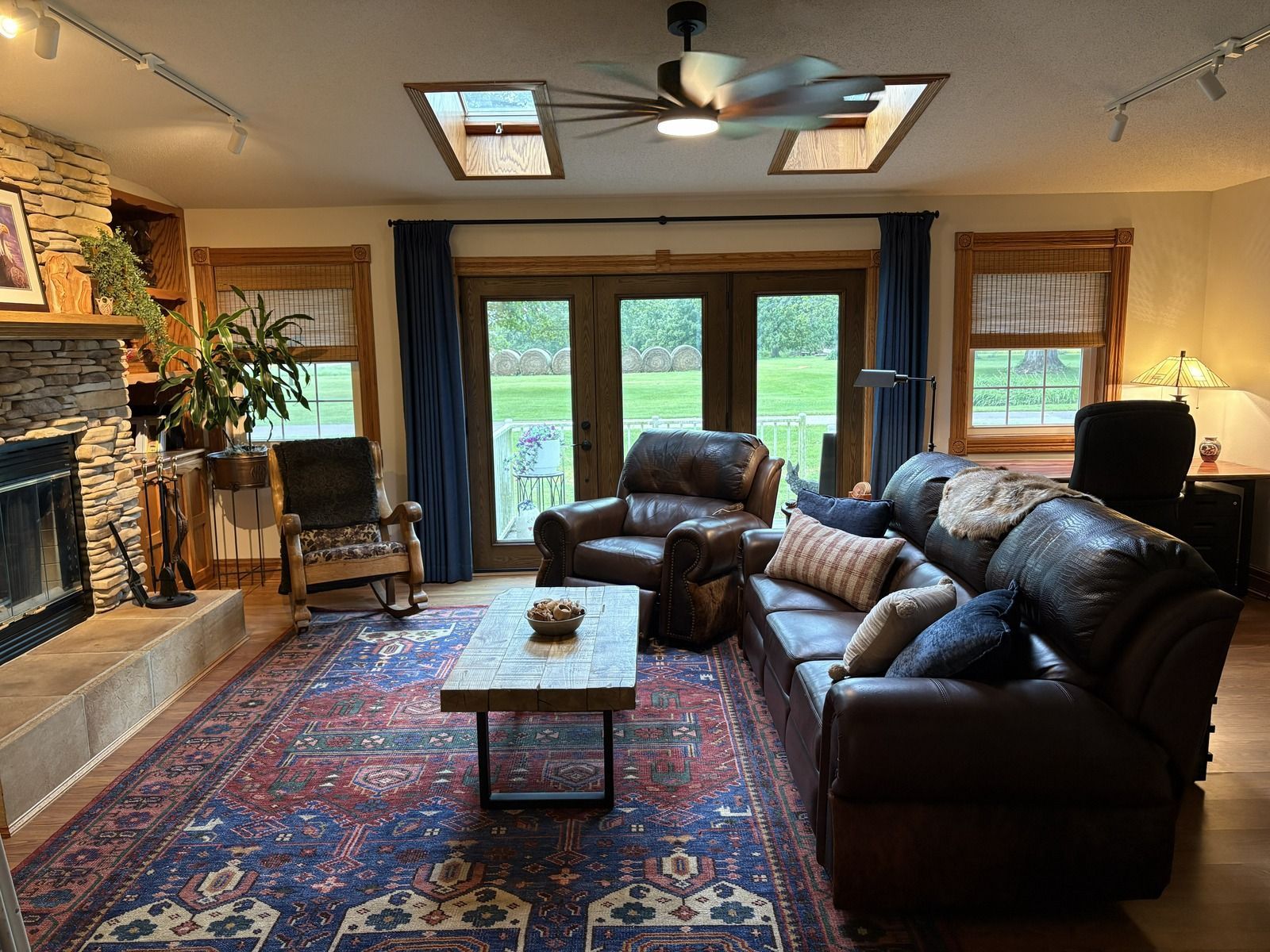
Consider a living room with custom cabinetry, hardwood floors, and a fireplace. Without professionally installed trim, the transitions between these elements might feel abrupt or incomplete. With expertly crafted baseboards, window casings, and crown molding, the same room feels intentional, polished, and inviting. This attention to detail signals quality craftsmanship and creates a lasting impression on residents and visitors alike.
The Benefits of Professional Trim Work
Improved Aesthetic Appeal
The most immediate benefit of professional trim work is enhanced visual appeal. Clean lines, smooth surfaces, and precise alignment elevate the appearance of a room, making it feel more sophisticated and well-considered. Homeowners who invest in quality trim often notice that their interiors look more luxurious, even without expensive furnishings or décor.
Increased Home Value
Professional trim work is a tangible indicator of quality construction and attention to detail. Buyers often recognize the difference between expertly installed trim and rushed or amateur work, associating professional finishes with higher property value. Strategic trim choices—such as wainscoting in dining rooms or crown molding in master suites—can even influence perceived square footage and overall desirability.
Functional Advantages
Trim serves practical functions beyond aesthetics. Baseboards protect walls from furniture damage and vacuuming, while door and window casings prevent drafts and gaps. Crown molding can conceal wiring or gaps between walls and ceilings, and chair rails protect walls from daily wear. Professional installation ensures that these functional benefits are maximized while maintaining a seamless appearance.
Long-Term Durability
High-quality trim crafted from durable materials resists warping, cracking, and separation over time. Professionals understand which woods, composites, or polymers perform best in specific climates and home conditions, ensuring trim maintains its integrity for years. Amateur installation may lead to misaligned joints, uneven surfaces, or premature wear—issues that are costly and time-consuming to correct.
Common Challenges in Trim Installation
Measuring and Cutting Precision
Trim installation demands exact measurements and precise cuts. Even minor errors can result in visible gaps or uneven alignments. Professionals use specialized tools and techniques—such as miter saws, coping methods, and laser levels—to achieve flawless results. Miscalculations can lead to costly material waste and aesthetic compromises.
Achieving Seamless Joints
Corners, especially inside and outside angles, present unique challenges. Coping joints, which involve cutting intricate profiles to fit precisely, require experience and skill. Attempting these techniques without proper training can lead to poorly aligned corners and an unpolished finish.
Material Selection
Choosing the right trim material for each application is critical. Softwoods like pine are easy to shape but prone to dents, while hardwoods provide durability but require more effort to install. Modern homes may also use MDF or engineered composites, which resist moisture and warping but need careful finishing to avoid visible seams. Professionals guide homeowners in selecting materials that balance appearance, cost, and long-term performance.
Time and Labor Considerations
Even small trim projects can be time-intensive. From measuring and cutting to installation and finishing, each step requires attention to detail. Professionals streamline this process through experience, reducing installation time while achieving superior results. Homeowners attempting DIY trim may underestimate the effort involved, leading to frustration and subpar outcomes.
Best Practices for Professional Trim Work
Planning and Design
Effective trim installation begins with careful planning. Professionals assess the architectural style, room dimensions, and overall design goals before selecting trim profiles and materials. This ensures that trim complements both the space and the homeowner’s vision.
Accurate Measurement and Cutting
Precise measurement is foundational to quality trim work. Professionals measure multiple times, often using laser tools, and cut each piece with the appropriate angles to ensure seamless joints. Coping and mitering techniques are applied where necessary to achieve perfect corners.
Surface Preparation
Proper surface preparation prevents alignment issues and improves adhesion for finishes. Walls are smoothed, surfaces cleaned, and imperfections addressed before installation. Priming and sanding trim pieces in advance ensure a flawless painted or stained finish.
Installation Techniques
Experienced craftsmen follow step-by-step installation methods, securing trim with nails or adhesive while maintaining alignment. Small adjustments are made in real-time to ensure perfect fit and finish. Gaps and seams are filled with caulk, then sanded and painted to create a seamless look.
Finishing Touches
The final step includes painting, staining, or sealing trim according to the design plan. Professionals understand how finishes interact with natural light, room color, and furniture, ensuring the trim enhances rather than competes with other interior elements.
Trim Work as a Reflection of Craftsmanship
Trim work is often considered a subtle detail, yet it reflects the broader skill and care of a home’s construction. Well-executed trim communicates a commitment to quality, precision, and aesthetic harmony. It is a hallmark of thoughtful design, signaling to occupants and visitors that the space was crafted with expertise and attention to the finer points.
Beyond aesthetics, professional trim contributes to the home’s functionality, durability, and long-term value. It bridges the gap between construction and design, transforming raw architectural elements into a cohesive, refined environment. Whether in a luxury residence or a modest home, carefully chosen and installed trim elevates the interior experience, demonstrating that excellence resides not only in big design decisions but also in the mastery of detail.
By prioritizing professional trim work, homeowners and designers ensure their spaces exude polish, consistency, and timeless appeal—a tangible testament to the artistry of skilled craftsmanship.
Reliable Professionals Elevating Your Home Design Experience
Professional trim work is far more than a decorative afterthought; it is an essential component of home design that enhances aesthetics, functionality, and property value. From the careful selection of materials to precise measurement, cutting, and installation, expert trim transforms interiors, creating cohesion, elegance, and durability. By understanding the challenges, benefits, and best practices associated with trim work, homeowners and designers can appreciate how meticulous attention to detail elevates every space.
At Capitol Craftsmen, we bring over 24
years of experience in remodeling to every project, delivering exceptional trim work and interior finishes that stand the test of time. Based in Stayton, Oregon, our team combines precision, creativity, and deep industry knowledge to ensure every detail aligns with your vision. We prioritize quality materials, skilled craftsmanship, and seamless execution to create homes that feel polished, inviting, and uniquely yours. With Capitol Craftsmen, professional trim is not just an enhancement—it’s a hallmark of excellence that reflects our commitment to enduring design and superior home remodeling solutions.