Innovative Solutions with Professional Garage and Basement Conversions for Extra Space
June 17, 2026
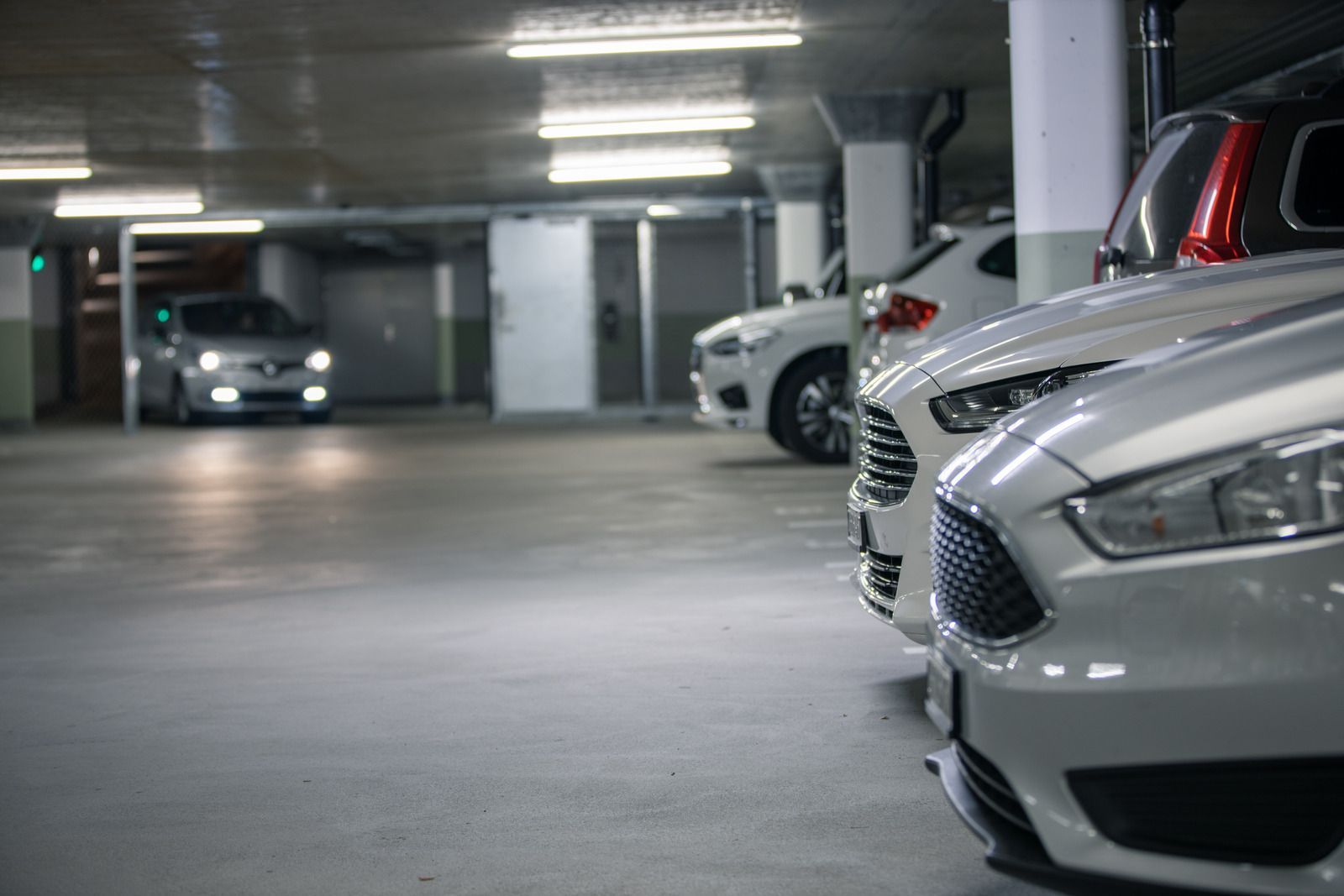
Square footage is one of the most valuable assets a homeowner owns, yet two of the most underused spaces in any home sit just beneath the main living area or behind the carport door. Garages and basements hold enormous potential, and when converted with the right planning and craftsmanship, they become some of the most functional, livable spaces in the entire house. As housing demands continue to rise and families look for ways to expand without the price of a full addition, conversion projects have emerged as a leading solution for homeowners who want more from the space they already have.
The appeal goes beyond square footage. A well-executed garage or basement conversion adds real value to a property, reduces the need to relocate, and gives homeowners complete control over how space is used. Whether the goal is a home office, a rental suite, a gym, or an additional bedroom, the right approach transforms dormant square footage into a space that genuinely serves daily life. This blog explores the most practical and innovative solutions driving garage and basement conversions forward.
What Makes Garages and Basements Ideal for Conversion
Structural Advantages Most Homeowners Overlook
Garages and basements already exist within the footprint of the home, which means the foundation, framing, and roof are already in place. Unlike a room addition, a conversion starts with a shell that is structurally sound. This dramatically reduces the scope of structural work required and allows contractors to focus on insulation, mechanical systems, finishing, and layout instead.
Basements, in particular, benefit from below-grade positioning, which provides natural thermal regulation. The ground surrounding a basement maintains a relatively stable temperature year-round, making it easier to heat in winter and cool in summer compared to above-grade spaces. Garages, while less thermally stable by default, are typically large open spaces with high ceilings that allow for flexible floor plan design once properly insulated and air-sealed.
Zoning and Permit Considerations
Before any conversion begins, zoning regulations and permit requirements must be reviewed at the municipal level. Most jurisdictions require permits for conversions that involve electrical work, plumbing additions, or changes to the egress configuration. Basement conversions that include sleeping areas must meet specific egress window requirements for safety compliance. Garage conversions in some areas may require approval from a homeowner association or compliance with setback rules if the project alters the exterior facade.
Working with an experienced remodeler means navigating these requirements before a single wall goes up, which prevents costly corrections mid-project.
Top Garage Conversion Solutions for Functional Living Space
Accessory Dwelling Units and Guest Suites
One of the most sought-after garage conversion projects is the accessory dwelling unit, commonly called an ADU. A detached or attached garage can be converted into a fully self-contained living space with a sleeping area, bathroom, and small kitchen. This is particularly valuable in areas where housing supply is tight, and homeowners want to house aging parents, adult children, or generate rental income from existing property.
A successful ADU conversion requires careful attention to insulation, moisture barriers, HVAC integration, and separate utility connections where required. Proper soundproofing between the garage structure and the main home also plays an important role in livability.
Home Office and Creative Studio Conversions
The shift toward remote and hybrid work has made dedicated home office space a genuine priority. A garage conversion into a private workspace removes the distractions of a shared home environment and creates a professional setting that supports focused work. For artists, musicians, and craftspeople, a garage conversion into a studio provides the freedom of space and acoustic isolation that interior rooms rarely offer.
Key considerations for office and studio conversions include natural light planning, climate control, electrical capacity for equipment, and network infrastructure. Installing larger windows or skylights during the conversion is a practical way to improve daylighting without a secondary project later.
Mudroom, Laundry, and Utility Expansion
For homes where interior space is limited, converting part of a garage into an organized mudroom and laundry area solves a persistent problem. This type of partial conversion retains parking function in one bay while dedicating the other to utility use. It is particularly practical for families with children, outdoor workers, or homes in regions with significant weather variation.
Basement Conversion Solutions That Maximize Every Square Foot
Finished Living Areas and Recreation Rooms
A finished basement is among the most straightforward conversion investments available to homeowners. Unfinished basements that are used primarily for storage represent a direct opportunity to add livable square footage without touching the main floor plan. A recreation room, home theater, children's play area, or multi-purpose family room can all be accommodated within a standard basement footprint.
The finishing process includes framing interior walls, installing subfloor systems to protect against moisture and provide thermal comfort underfoot, adding lighting plans suited to below-grade spaces, and selecting materials rated for basement environments. Luxury vinyl plank flooring has become a popular choice for basement conversions because of its moisture resistance and durability.
Basement Bedroom and Bathroom Additions
Adding a bedroom and bathroom to a basement is one of the most impactful ways to increase the functional capacity of a home. A basement bedroom suite can serve a teenager, a visiting family member, or a long-term renter. To qualify as a legal bedroom, the space must meet minimum ceiling height requirements, typically seven feet, and include at least one egress window that meets size and operability standards set by local building codes.
Adding a bathroom to a basement requires planning for below-grade drainage. In most cases, a sewage ejector pump is required to move wastewater up to the main sewer line. This is a standard solution that experienced plumbers handle as part of basement bath rough-ins.
Home Gym and Wellness Spaces
Basements are naturally suited to home gym conversions. The below-grade location provides noise insulation from impact exercise, and the open layout of most unfinished basements accommodates large equipment without the spatial limitations found on upper floors. A proper gym conversion includes rubber flooring for impact absorption, adequate ventilation, mirror installations, and reinforced lighting to support safe use during all hours.
Common Challenges and How to Address Them
Identifying these challenges early in the planning phase allows the project to be scoped and budgeted with accuracy. Surprises discovered mid-conversion are the most common source of project delays and scope expansion.
| Challenge | Common Cause | Solution |
|---|---|---|
| Moisture infiltration | Poor drainage or wall cracks | Waterproofing membrane and sump pump installation |
| Low ceiling height | Original construction limitations | Underpinning or lowering the slab where structurally feasible |
| Inadequate natural light | Below-grade positioning | Egress windows, window wells, and strategic lighting plans |
| HVAC integration | No existing ductwork | Mini-split systems or ductless heat pump installation |
| Garage floor moisture | Slab condensation | Vapor barriers, rigid foam, and floating subfloor systems |
Design Principles That Elevate Conversion Results
Ceiling Height and Vertical Space
In both garage and basement conversions, ceiling height directly affects how the finished space feels. Where height is limited, keeping soffits and bulkheads minimal, using flush-mounted lighting, and selecting furniture with lower profiles all contribute to a more open atmosphere. In garages with standard eight-foot ceilings, a thoughtful layout avoids anything that draws the eye downward unnecessarily.
Insulation and Air Sealing
Garages are not built to the same thermal standard as living space, which means insulation and air sealing are foundational steps in any conversion. Spray foam insulation applied to walls and the underside of the roof deck creates a continuous barrier that reduces both energy loss and condensation risk. Basements benefit from rigid foam board on foundation walls combined with batt insulation in framed cavities.
Lighting Design for Below-Grade Spaces
Natural light is limited in basements, which makes artificial lighting design more important than in above-grade rooms. Layered lighting plans that combine recessed downlights, wall sconces, and task lighting create depth and warmth. Light-colored wall finishes and strategic mirror placement help distribute light further into the space.
Trusted Craftsmanship Behind Every Garage and Basement Conversion
Garage and basement conversions represent some of the most practical and impactful home improvement projects available. When approached with the right expertise, these projects deliver functional square footage, improved property value, and living spaces that serve real needs rather than simply adding rooms for their own sake. The key to a successful conversion lies in thorough planning, code compliance, moisture management, and design choices that are matched to the specific characteristics of the space.
We are Capitol Craftsmen, a remodeling company based in Stayton, Oregon, with 24
years of hands-on experience in residential conversion projects including garage transformations, basement finishing, and full interior remodels. We bring structural knowledge, code expertise, and a commitment to craftsmanship to every project we take on. Our process begins with a detailed assessment of the space and the homeowner's goals, and we carry that clarity through every phase of construction. If you are considering a garage or basement conversion and want a team that understands Oregon building requirements and regional construction conditions, we are ready to help you get it done right.
Frequently Asked Questions
Do I need a permit to convert my garage into living space?
In most Oregon jurisdictions, yes. Permits are required for electrical, plumbing, and egress changes. We handle permit applications and inspections as part of our standard conversion process.
How do I prevent moisture problems in a converted basement?
Proper waterproofing before finishing is essential. We install vapor barriers, sump pumps where needed, and select materials rated for below-grade environments to reduce long-term moisture risk.
Can a basement bedroom be added without an existing bathroom nearby?
Yes. We install sewage ejector systems that allow full bathroom functionality in below-grade spaces, giving you a complete suite without connection to above-grade plumbing lines.
What is the best flooring for a garage conversion?
Engineered hardwood, luxury vinyl plank, and polished concrete are all practical choices. Selection depends on moisture levels in the slab and the intended use of the converted space.
How long does a typical basement or garage conversion take?
Most standard conversions run between six and twelve weeks depending on scope, permit timelines, and whether mechanical systems require significant modification. We provide a project schedule before work begins.