From Concept to Completion with the Process of Professional Kitchen Remodeling
April 18, 2026
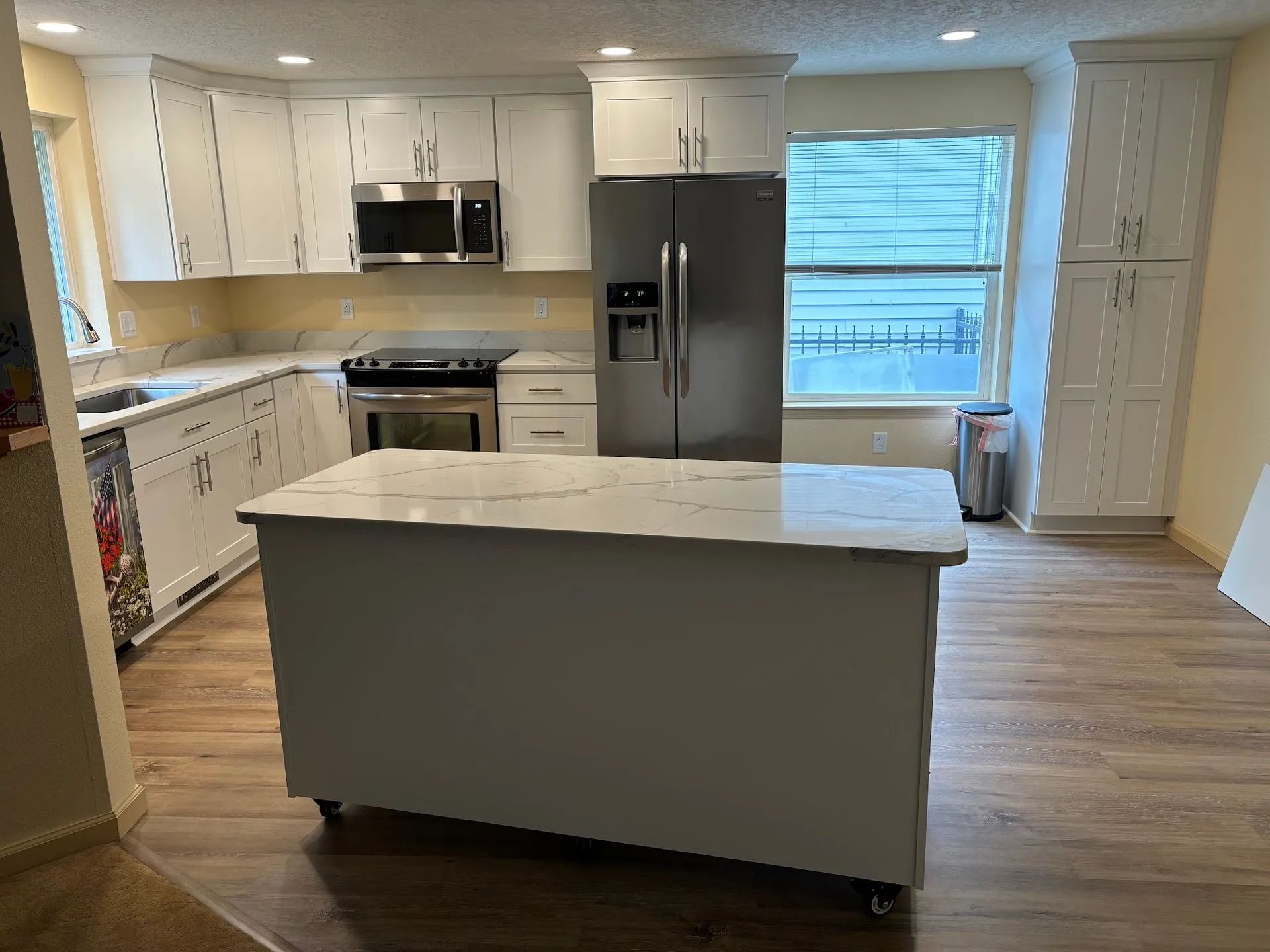
Kitchen remodeling has evolved into a highly strategic process that blends functionality, aesthetics, and long-term value creation. Modern homeowners increasingly seek kitchens that not only support daily cooking needs but also enhance lifestyle efficiency, energy use, and property value. As a result, professional kitchen remodeling has become a structured discipline requiring careful planning, technical expertise, and coordinated execution. Every successful transformation begins with a clear understanding of space utilization, workflow optimization, and design alignment with user behavior.
In today’s competitive construction landscape, remodeling is no longer limited to cosmetic upgrades. It involves rethinking layouts, integrating modern appliances, improving storage systems, and ensuring compliance with safety and building standards. A well-executed kitchen renovation process can significantly elevate both comfort and functionality while minimizing long-term maintenance challenges. However, achieving such outcomes requires a systematic approach that guides the project from initial concept to final completion. This blog explores each stage of the professional kitchen remodeling journey, offering practical insights into planning, design, construction, and finishing. By understanding this process in detail, homeowners and professionals can make informed decisions that ensure durability, efficiency, and design excellence throughout the remodeling lifecycle.
1. Initial Planning and Project Consultation
Understanding Client Needs and Lifestyle Requirements
Every successful kitchen remodeling project begins with a detailed understanding of how we use the space on a daily basis. We evaluate cooking habits, storage needs, family size, and workflow preferences to design a layout that truly fits lifestyle demands. We also assess pain points in the existing kitchen to identify improvements. This process allows us to create a functional, efficient, and personalized remodeling plan aligned with long-term usability goals and requirements.
Site Evaluation and Feasibility Assessment
A thorough site evaluation ensures we understand structural conditions before beginning any remodeling work. We inspect plumbing lines, electrical systems, ventilation pathways, and load-bearing elements to identify potential challenges. This assessment helps us prevent unexpected issues during construction and supports safe planning. By analyzing feasibility early, we ensure that design concepts can be realistically executed within the existing space while maintaining compliance with safety standards and building regulations at every critical stage.
Budget Framework and Project Scope Definition
Establishing a clear budget framework allows us to align expectations with realistic project outcomes. We define material categories, labor costs, timelines, and design priorities to ensure complete transparency throughout the remodeling process. A well-structured scope prevents unnecessary changes and cost overruns. By setting financial boundaries early, we can focus on delivering maximum value while maintaining quality, efficiency, and consistency across all phases of kitchen renovation work with measurable outcomes and clarity throughout.
2. Kitchen Design and Layout Development
Space Optimization and Workflow Planning
Efficient kitchen design focuses on maximizing available space while ensuring smooth workflow between cooking, cleaning, and storage zones. We apply the work triangle principle to reduce unnecessary movement and improve usability. Every layout decision is made to enhance comfort, accessibility, and operational efficiency. By optimizing spatial relationships, we create kitchens that support both everyday cooking needs and long-term functional performance for modern households while ensuring durability and design consistency overall throughout the process.
3D Visualization and Concept Modeling
Modern remodeling relies on advanced 3D visualization tools that allow us to create accurate representations of kitchen layouts before construction begins. These models help us evaluate spatial arrangements, lighting placement, and appliance positioning with precision. By simulating the design in a digital environment, we can identify improvements early and refine concepts to achieve optimal functionality, visual balance, and user-friendly kitchen experiences while supporting accurate decision-making and efficient project planning process optimization.
Customization and Aesthetic Alignment
Customization plays a key role in ensuring that kitchen design reflects personal preferences while maintaining functional efficiency. We carefully select color schemes, cabinetry styles, countertop materials, and backsplash textures to achieve visual harmony. Every aesthetic decision is balanced with practical usability to ensure long-term satisfaction. By aligning design elements with lifestyle needs, we create kitchens that are both visually appealing and highly functional for everyday use, meeting expectations with consistent quality delivery.
3. Material Selection and Budget Optimization
Choosing Durable and Functional Materials
Material selection is a critical factor in determining the durability, maintenance needs, and overall performance of a kitchen. We prioritize heat-resistant, moisture-resistant, and wear-resistant surfaces that ensure long-term reliability. Every material is evaluated for strength, appearance, and compatibility with design goals. By balancing aesthetics with functionality, we ensure that each surface contributes to both visual appeal and structural integrity in the finished kitchen space while maintaining cost efficiency and durability standards overall.
Appliance Integration and Technology Upgrades
Modern kitchens benefit greatly from advanced appliance integration and technology upgrades that enhance efficiency and convenience. We focus on selecting energy-efficient appliances, smart storage systems, and integrated lighting solutions that improve usability. Proper planning ensures seamless installation and compatibility with design layouts. By incorporating modern technology, we create kitchen environments that support improved performance, reduced energy consumption, and enhanced day-to-day functionality while delivering sustainable results and long-term operational efficiency across all systems.
Cost Management and Value Engineering
Cost management is an essential aspect of professional kitchen remodeling that ensures projects remain within budget while maintaining high-quality standards. We evaluate material alternatives, design modifications, and labor efficiency to optimize overall expenditure. Value engineering helps us identify cost-saving opportunities without compromising performance or aesthetics. This approach ensures balanced outcomes that align financial constraints with functional and design expectations while ensuring transparency, accountability, and measurable project success for clients consistently delivered results.
4. Construction and Structural Execution
Demolition and Site Preparation
The remodeling process begins with careful demolition and site preparation to ensure a clean and safe working environment. We remove outdated fixtures, cabinetry, flooring, and finishes while protecting surrounding structures. Proper waste disposal and dust control measures are implemented to maintain site safety. This stage creates a solid foundation for new construction activities and ensures efficient workflow throughout the project timeline while ensuring compliance with safety and environmental protection standards are consistently maintained throughout.
Electrical, Plumbing, and Structural Adjustments
Upgrading electrical, plumbing, and structural systems is essential for supporting modern kitchen requirements. We reconfigure wiring layouts, reposition plumbing lines, and reinforce structural components to ensure safety and compliance. Every adjustment is planned carefully to integrate with the overall design and functionality goals. This phase ensures the kitchen operates efficiently, safely, and in alignment with updated building standards and user expectations while maintaining precision coordination and regulatory adherence throughout the execution process flow.
Installation and Build-Out Process
Installation and build-out involve careful placement of cabinets, countertops, flooring, and appliances according to approved design specifications. We ensure accurate alignment, secure fittings, and seamless integration of all components. Each installation step is executed with precision to achieve durability and aesthetic consistency. This phase transforms design plans into a fully functional kitchen environment ready for long-term use and performance while ensuring structural integrity, quality assurance, and final design alignment verification process is complete.
5. Finishing, Detailing, and Quality Assurance
Surface Finishing and Aesthetic Refinement
Surface finishing brings the kitchen design together through paint application, backsplash installation, and fixture detailing. We focus on achieving smooth textures, color consistency, and visual balance across all surfaces. Every finishing step enhances both durability and aesthetic appeal. This stage ensures the kitchen achieves a polished and cohesive appearance that aligns with the overall design vision and functional requirements while delivering refined craftsmanship, attention to detail, and lasting visual impact consistently achieved.
Functional Testing and Performance Checks
Functional testing ensures that every installed kitchen system operates correctly and efficiently before project completion. We evaluate water flow, electrical connections, ventilation performance, and appliance functionality under real conditions. Each system is tested thoroughly to identify and resolve potential issues. This step guarantees that the kitchen delivers reliable performance, safety, and long-term operational stability for everyday use while ensuring comprehensive validation, quality control, and user satisfaction across all systems in the final review phase.
Final Inspection and Client Walkthrough
A final inspection ensures that every aspect of the kitchen remodel meets design specifications and quality standards before handover. We conduct a detailed walkthrough to verify finishes, functionality, and overall craftsmanship. Any necessary adjustments are completed to ensure perfection and usability. This stage confirms that the project is fully aligned with expectations and ready for long-term use while ensuring final approval documentation and seamless project closure for delivery success, and handover completion is achieved.
Trusted Kitchen Remodeling Expertise Delivered With Precision
Professional kitchen remodeling follows a structured journey that transforms ideas into functional, visually appealing spaces. Each phase, from planning and design to construction and finishing, plays a critical role in achieving efficiency, durability, and aesthetic harmony. A well-managed process ensures that every detail contributes to improved workflow, enhanced storage, and long-term value creation. Careful coordination between design intent and technical execution minimizes errors and delivers consistent results that align with modern lifestyle demands.
Precision, planning, and material selection remain the foundation of a successful remodel. When each step is executed with expertise, the kitchen becomes more than a cooking space—it evolves into a central hub for comfort, productivity, and connection within the home.
Capitol Craftsmen
is a trusted remodeling practice based in Stayton, Oregon, bringing over 24+ years of experience in delivering high-quality kitchen transformations. We focus on blending craftsmanship with practical design solutions that elevate everyday living. Our approach emphasizes precision, reliability, and client-focused execution, ensuring each project reflects long-lasting value and functional excellence.